Dusky Rabbitfish アイゴ
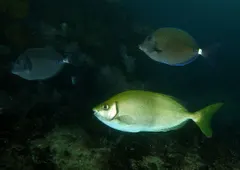
Venomous spines
The dorsal, pelvic and anal fins have venomous spines. Do not handle the fish bare-handed, even after death; use a fish grip and pliers. If stung, leave the water, clean the wound and seek medical advice.
Dangerous fish
Fish you will actually hook in Japan that sting, bite or are poisonous to eat. If you do not know what it is, do not grab it with your hands.
The first-aid notes here are general information, not medical instruction. If you have symptoms, see a doctor.
Dangerous fish and animals — what to do when you are stung or bitten
Venomous spines
The dorsal, pelvic and anal fins have venomous spines. Do not handle the fish bare-handed, even after death; use a fish grip and pliers. If stung, leave the water, clean the wound and seek medical advice.
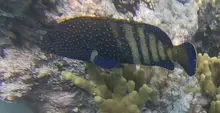
Toxic flesh
Japanese health guidance identifies this as a ciguatera-risk fish. Cooking does not make ciguatoxin safe, so do not eat the catch.
Toxic flesh
Japan's health ministry identifies this species in palytoxin-like poisoning. Do not eat the catch, and do not rely on cooking for safety.
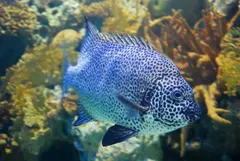
Toxic flesh
Large fish grown on southern reefs have been recorded in Japan as carrying ciguatoxin accumulated through their food. Poisoning brings numbness of the mouth and limbs, diarrhoea and joint pain, along with a reversal of temperature sensation in which cold objects feel like an electric shock, and recovery can take a long time. The toxin is not destroyed by cooking and cannot be seen or tasted. Larger fish are considered the riskier ones, so do not take a big specimen home, and check whether any advisory has been issued for the area you are fishing. Seek medical care if you feel unwell after eating.
Sharp teeth
As with the striped knifejaw, the teeth are fused into plates strong enough to crush sea urchins and turban shells. A finger placed inside can be injured to the bone, so always unhook it with pliers.
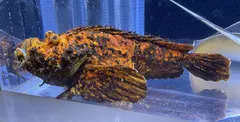
Venomous spines
Venomous dorsal spines cause severe pain. Do not touch with bare hands; seek medical advice after a sting.
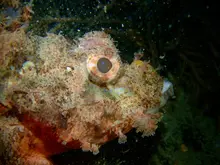
Venomous spines
Its fin and gill-cover spines are regarded as venomous and a puncture may cause severe pain. Do not handle it bare-handed, even after death; use a fish grip and pliers. If stung, clean the wound and seek medical advice.
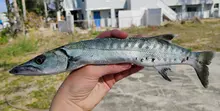
Toxic flesh
Japanese health guidance identifies this as a ciguatera-risk fish. Cooking does not make ciguatoxin safe, so do not eat the catch.
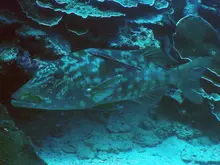
Toxic flesh
Japanese health guidance identifies this as a ciguatera-risk fish. Cooking does not make ciguatoxin safe, so do not eat the catch.
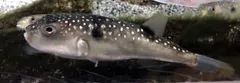
Toxic flesh
Some parts contain tetrodotoxin, which cooking does not make safe. Japan’s Ministry of Health warns anglers never to prepare self-caught pufferfish without professional controls. Do not eat it; this guide provides no preparation instructions.
Sharp teeth
Its fused tooth plates are strong enough to bite through leader, and a bitten finger will bleed. Keep bare hands away from its mouth.
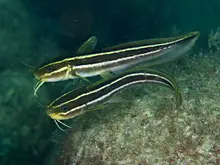
Venomous spines
The dorsal and pectoral fins have venomous spines. Do not handle the fish bare-handed, even after death; use a fish grip and pliers. If stung, leave the water, clean the wound and seek medical advice. Never leave the fish on the ground.
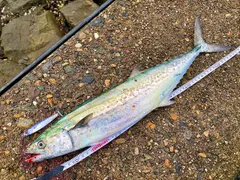
Sharp teeth
Its teeth are extremely sharp and cut both line and leader with ease. Cutting a finger while removing a lure is a common accident: always use pliers and pin the fish before you start.
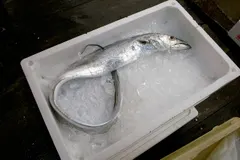
Sharp teeth
Rows of knife-like canines cut leader instantly. Grabbing one bare-handed causes deep lacerations, and a thrashing fish is itself dangerous. Always handle it with a fish grip and pliers, and never leave one loose at your feet in the dark.
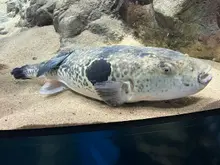
Toxic flesh
Pufferfish toxin can cause fatal poisoning. Never prepare the fish yourself; hand it to a licensed pufferfish processor.
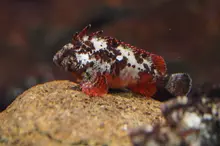
Venomous spines
Its fin spines are regarded as venomous and a puncture may cause severe pain or swelling. Do not handle even a small specimen bare-handed; use a fish grip and pliers. If stung, clean the wound and seek medical advice.
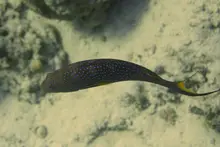
Toxic flesh
Japanese health guidance identifies this as a ciguatera-risk fish. Cooking does not make ciguatoxin safe, so do not eat the catch.
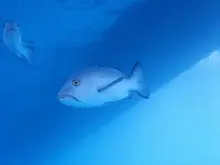
Toxic flesh
Japanese health guidance identifies this as a ciguatera-risk fish. Cooking does not make ciguatoxin safe, so do not eat the catch.
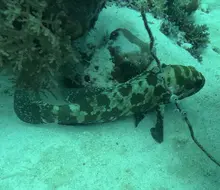
Toxic flesh
Japanese health guidance identifies this as a ciguatera-risk fish. Cooking does not make ciguatoxin safe, so do not eat the catch.
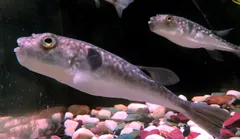
Toxic flesh
Pufferfish toxin can cause fatal poisoning. Never prepare the fish yourself; hand it to a licensed pufferfish processor.
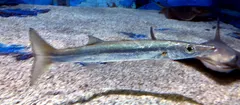
Sharp teeth
Rows of fine, sharp teeth will open a finger while you unhook it, and they cut through leader and soft plastics alike. Keep your hand out of the mouth: hold the fish with a grip and take the hook with pliers.
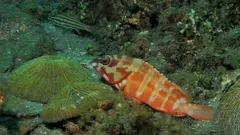
Sharp spines
The dorsal spines are stiff and the edge of the gill cover is sharp. No venom has been established for it, but a puncture can swell and become infected. On the rocks one hand is always occupied, so pin the fish properly with a grip before you touch the hook.
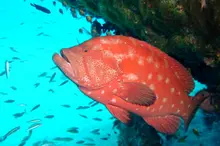
Sharp spines
It has stout dorsal spines and sharp gill covers. Use a grip and pliers on deck.
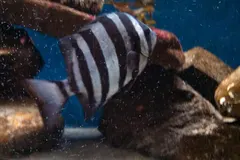
Sharp teeth
Its teeth are fused into plates strong enough to crush sea urchins and turban shells, and a finger placed in its mouth can be injured to the bone. Always unhook it with pliers.
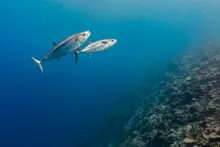
Histamine
Warm storage raises histamine-poisoning risk. Chill the catch immediately with ample ice; cooking is not a remedy.
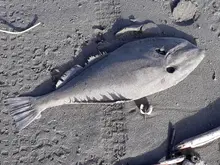
Sharp spines
The first dorsal spine above the head is thick and hard. Locate it before handling the fish.
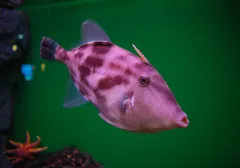
Sharp teeth
The teeth are strong enough to bite through leader and take the rig with them. Keep your fingers out of the mouth when unhooking.
Sharp spines
The first dorsal spine locks once it is raised, and this being the larger fish, the spine is heavier than a filefish's. Fold it down before you take hold, or use a fish grip.
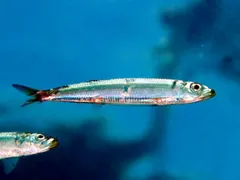
Histamine
Warm storage raises histamine-poisoning risk. Chill the catch immediately with ample ice; cooking is not a remedy.
Sharp spines
The dorsal and head spines are hard; do not close a bare hand around the fish.
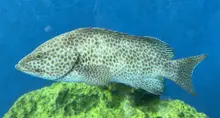
Sharp spines
The dorsal spines and gill covers are hard and sharp. No venom is recorded, but pinning a thrashing fish bare-handed will cut you. Clamp the jaw with a grip and remove the hook with pliers.
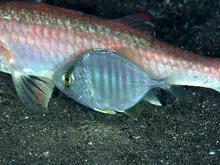
Histamine
Warm storage raises histamine-poisoning risk. Chill the catch immediately with ample ice; cooking is not a remedy.
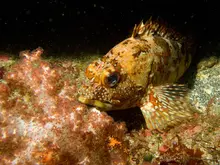
Sharp spines
The dorsal and gill-cover spines are sharp and go in deep if you grab the fish. It is not considered strongly venomous, but punctures can swell and become infected. Use a fish grip and pliers rather than your bare hand.
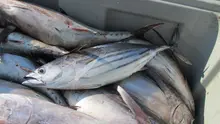
Histamine
The dark red muscle is high in histidine, which turns to histamine as freshness drops. Thirty minutes to an hour after eating, the face and ears flush and hives and headache follow. Histamine survives cooking, so searing it as tataki is no protection. Bleed and ice the fish immediately and never let it stand at ambient temperature. If your ice will not stretch to the catch, keep fewer fish.
Parasite
Anisakis larvae occur in this species and raw consumption is a known cause of severe abdominal pain; in 2018 cases traced to bonito taken near the Izu Islands rose sharply across Japan. Gut and chill the fish at once, inspect the flesh closely if you intend to eat it raw, and check the freezing and heating conditions published by Japan's Ministry of Health, Labour and Welfare.
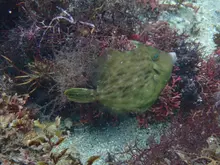
Sharp teeth
The small mouth holds strong teeth that bite through leader, and a finger placed inside gets nipped. Take the hook out with pliers.
Sharp spines
The first dorsal spine is thick and locks upright once raised. It goes deep into the palm of a hand closed around the fish, so look at where the spine is before you take hold.
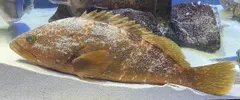
Sharp spines
The dorsal spines are stiff and the rear edge of the gill cover is as sharp as a blade. There is no established record of strong venom, but gripping the fish can open a deep cut, and the teeth are rough as well. Clamp the jaw with a fish grip and take the hook out with pliers.
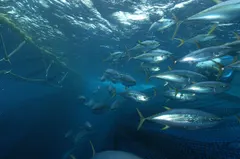
Histamine
Warm storage raises histamine-poisoning risk. Chill the catch immediately with ample ice; cooking is not a remedy.
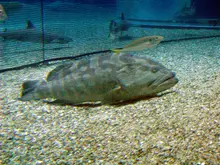
Sharp teeth
Sharp canines line the rim of that large mouth, and the gill cover carries spines. A big fish has jaw strength enough to injure a finger badly, so unhook it with pliers and never take it by the lower jaw. On deck it is heavy and thrashes, so have one person pin it while another works the hook.
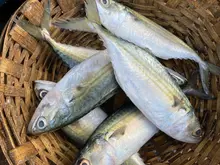
Histamine
Warm storage raises histamine-poisoning risk. Chill the catch immediately with ample ice; cooking is not a remedy.
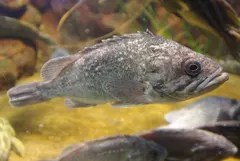
Sharp spines
As well as the dorsal spines, three spines project between the eye and the mouth. No venom is recorded, but they are hard and sharp, go in deep if you grab the fish in the dark, and the wound can become infected. Keep your hand away from the head and take it by the jaw with a grip.
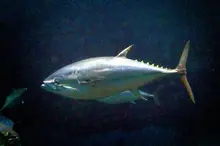
Histamine
Warm storage raises histamine-poisoning risk. Chill the catch immediately with ample ice; cooking is not a remedy.
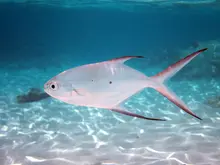
Histamine
Warm storage raises histamine-poisoning risk. Chill the catch immediately with ample ice; cooking is not a remedy.
Venomous spines
The fin spines are venomous. Secure the fish with a grip and remove the hook with pliers.
Histamine
Warm storage raises histamine-poisoning risk. Chill the catch immediately with ample ice; cooking is not a remedy.
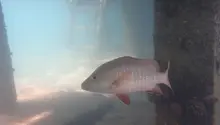
Sharp teeth
The jaws are powerful and the teeth sharp. Keep fingers clear and use pliers on the hook.
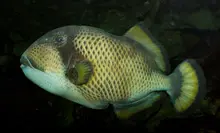
Sharp teeth
Sharp teeth can bite deeply. Keep fingers away and use a fish grip and long pliers.
Histamine
Warm storage raises histamine-poisoning risk. Chill the catch immediately with ample ice; cooking is not a remedy.
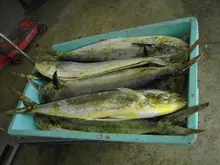
Histamine
The flesh is high in histidine, and as freshness drops it converts to histamine, a known cause of food poisoning with facial flushing, hives and headache. Histamine is not destroyed by heat, so neither grilling nor frying will make it safe. Bleed the fish the moment it is aboard, pack it in an iced cool box, and never let it sit at ambient temperature. A large fish soon exhausts your ice, so decide how many you will keep before you start.
Sharp teeth
Rows of fine, rasping teeth will graze a finger, but the greater danger comes after landing: it thrashes violently on deck with the lure still in its jaw, and a freed hook can go into someone. Pin the head with a grip, keep your face away, and use pliers. Do not leave one loose at your feet until it has settled.
Sharp spines
The dorsal and head spines are hard and sharp; secure the jaw with a grip.
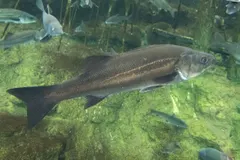
Sharp gill plate
The rear edge of the gill cover is as sharp as a blade and is a frequent cause of deep cuts to the hand. Hold it by the lower jaw or use a fish grip.
Histamine
The dark red muscle is high in histidine, and as freshness drops it converts to histamine, a known cause of food poisoning with facial flushing and hives. Cooking does not destroy histamine. Bleed the fish immediately, pack it in ice, and never let it sit at ambient temperature. If you cannot keep it cold, do not take it home.
Sharp gill plate
Built for speed, with a hard, keeled tail base that can graze a bare hand holding a thrashing fish.
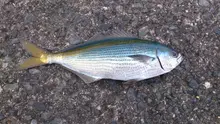
Histamine
Warm storage raises histamine-poisoning risk. Chill the catch immediately with ample ice; cooking is not a remedy.
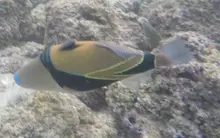
Sharp teeth
Sharp teeth can bite deeply. Keep fingers away and use a fish grip and long pliers.
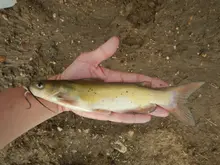
Sharp spines
Hard fin spines can puncture skin; do not grip the fish in a bare hand. Reliable primary evidence of venom was not confirmed, so this guide does not label the spines venomous.
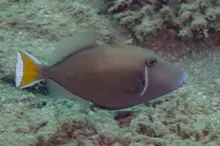
Sharp teeth
Sharp teeth can bite deeply. Keep fingers away and use a fish grip and long pliers.
Histamine
Warm storage raises histamine-poisoning risk. Chill the catch immediately with ample ice; cooking is not a remedy.
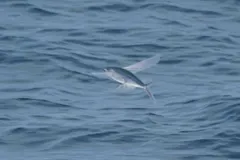
Histamine
Warm storage raises histamine-poisoning risk. Chill the catch immediately with ample ice; cooking is not a remedy.
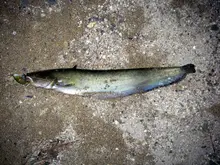
Sharp spines
Hard fin spines can puncture skin; do not grip the fish in a bare hand. Reliable primary evidence of venom was not confirmed, so this guide does not label the spines venomous.
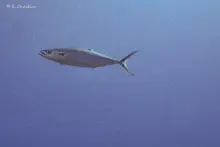
Histamine
Warm storage raises histamine-poisoning risk. Chill the catch immediately with ample ice; cooking is not a remedy.
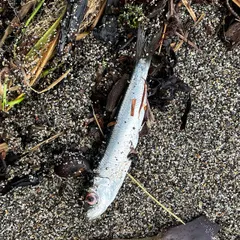
Histamine
Warm storage raises histamine-poisoning risk. Chill the catch immediately with ample ice; cooking is not a remedy.
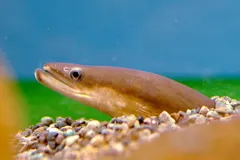
Serum toxin
Japan's Ministry of Health states that eel serum contains a protein toxin that can inflame eyes, the mouth, or wounds. Do not eat eel raw or let fresh blood contact mucosa or cuts; normal thorough cooking inactivates the toxin.
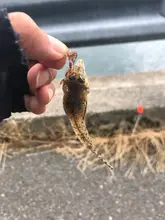
Sharp gill plate
A strong, serrated spine sits on the front of the gill cover and will go into a bare hand. No venom is recorded, but the body is coated in heavy slime, and most injuries happen when a hand slips and has to re-grip. Hold it through a towel or newspaper and unhook it with pliers.
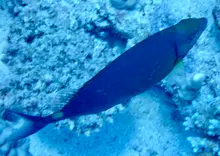
Venomous spines
The fin spines are venomous. Secure the fish with a grip and remove the hook with pliers.
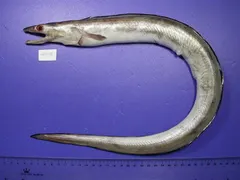
Sharp teeth
Sharp teeth can bite deeply. Keep fingers away and use a fish grip and long pliers.
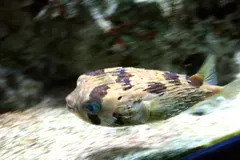
Sharp spines
When inflated, hard spines stand over the whole body. They are not venomous but puncture deeply, so use a grip and pliers.
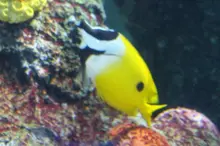
Venomous spines
The fin spines are venomous. Secure the fish with a grip and remove the hook with pliers.
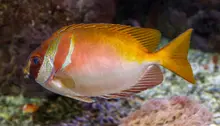
Venomous spines
The fin spines are venomous. Secure the fish with a grip and remove the hook with pliers.
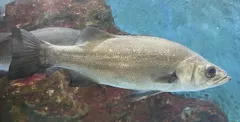
Sharp gill plate
As with the common sea bass, the rear edge of the gill cover is razor-sharp and will cut a hand deeply. A bleeding hand on wet rock leaves you stranded, so take it by the lower jaw or use a grip, and always move the fish onto stable footing before working on it.
Sharp teeth
It has a row of sharp canine teeth that will cut a finger badly. Always use pliers to unhook it and keep your hand out of its mouth.
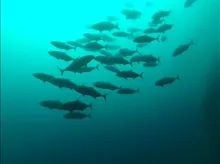
Histamine
Warm storage raises histamine-poisoning risk. Chill the catch immediately with ample ice; cooking is not a remedy.
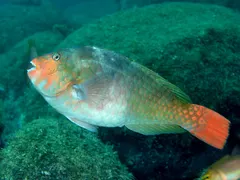
Sharp teeth
Hard dental plates crop weed and encrusting life. Keep fingers out of the mouth.
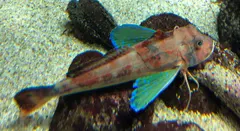
Sharp spines
It is not venomous, but the two long spines projecting behind the head, the gill-cover spines and the dorsal are all extremely hard and sharp, and gripping it over the head is a certain puncture. It thrashes with its pectoral fins spread, so put it down first, take the jaw with a grip, and only then reach for the hook.
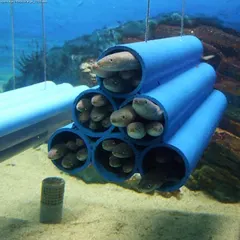
Sharp teeth
Its jaws are lined with fine teeth and the body writhes constantly, so a bare hand cannot hold it. The slime makes it slip: pin it with a wet towel or a fish grip and unhook it with pliers.
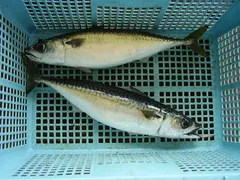
Parasite
Anisakis larvae are common in this species and raw consumption is a known cause of severe abdominal pain. Gut the fish promptly, and if you intend to eat it raw, check the freezing and heating conditions published by Japan's Ministry of Health, Labour and Welfare.
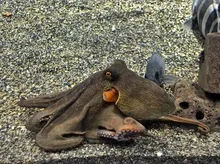
Bite
A hard beak sits at the centre of the arms and a bite can draw blood. Hold the body and keep bare hands away from the mouth. Do not touch a small octopus showing blue rings or lines; treat it as a possible blue-ringed octopus, a different species.
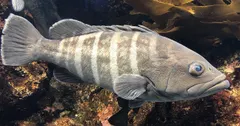
Sharp spines
The dorsal spines are thick and hard and the gill covers are sharp-edged. No venom is recorded, but a large fish is powerful and trying to hold one bare-handed will cut you badly. On deck, clamp the jaw with a grip and use pliers on the hook.
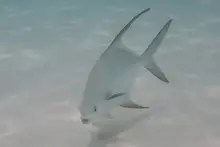
Histamine
Warm storage raises histamine-poisoning risk. Chill the catch immediately with ample ice; cooking is not a remedy.
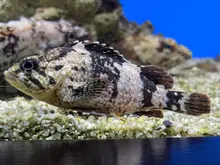
Sharp spines
There are sharp spines in the fins and on the gill covers. Other members of the same family do carry venomous spines and the two are easily confused, but no established source records venom in this species. The spines still go in deep and the wound can become infected, so handle it with gloves or a grip.
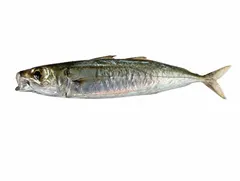
Histamine
Warm storage raises histamine-poisoning risk. Chill the catch immediately with ample ice; cooking is not a remedy.
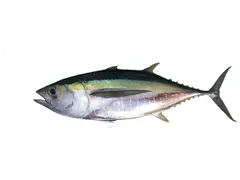
Histamine
Warm storage raises histamine-poisoning risk. Chill the catch immediately with ample ice; cooking is not a remedy.
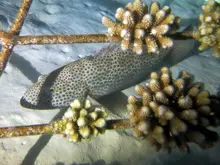
Sharp spines
Sharp dorsal spines and gill covers remain dangerous while the fish thrashes; secure it with a grip.
Sharp teeth
The teeth are fine but numerous and will graze a finger placed in the mouth. Always remove the hook with pliers.
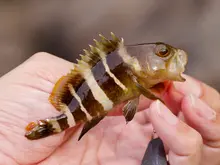
Sharp spines
The dorsal spines and gill-cover edges are sharp. Secure the jaw with a fish grip.
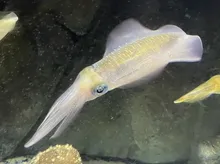
Bite
It has a hard beak, called karasu-tonbi, that can break the skin if it bites. It also squirts ink forcefully, so hold it pointing out to sea to keep it off your clothes and the pier.
Sharp spines
Fin spines and gill-cover edges are sharp. Use a fish grip; species without primary venom evidence are not labelled venomous.
Sharp spines
Fin spines and gill-cover edges are sharp. Use a fish grip; species without primary venom evidence are not labelled venomous.
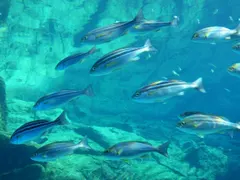
Sharp spines
The dorsal spines are hard and sharp. There is no strong venom, but you handle a great many of these in a session and gripping one drives a spine in. Cutting the dorsal fin away with scissors before you bleed the fish makes everything afterwards safer. The bones are stiff and sharply pointed too, and lodging one in the throat is a long-standing hazard when eating it.
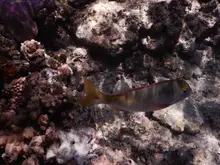
Sharp spines
Fin spines and gill-cover edges are sharp. Use a fish grip; species without primary venom evidence are not labelled venomous.
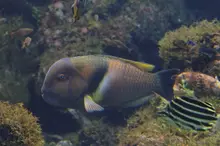
Sharp teeth
The front teeth are strong. Keep fingers clear and use pliers.
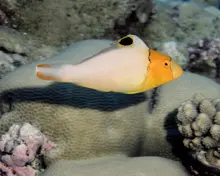
Sharp spines
Fin spines and gill-cover edges are sharp. Use a fish grip; species without primary venom evidence are not labelled venomous.
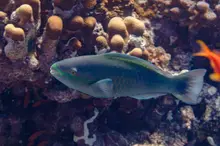
Sharp spines
Fin spines and gill-cover edges are sharp. Use a fish grip; species without primary venom evidence are not labelled venomous.
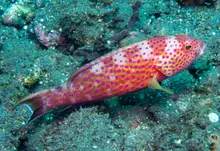
Sharp spines
Fin spines and gill-cover edges are sharp. Use a fish grip; species without primary venom evidence are not labelled venomous.
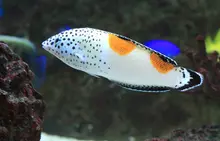
Sharp spines
Fin spines and gill-cover edges are sharp. Use a fish grip; species without primary venom evidence are not labelled venomous.
Sharp spines
The dorsal spines and gill covers are hard and sharp; do not close a bare hand around it.
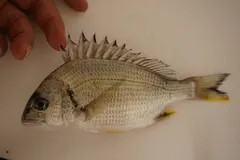
Sharp spines
The dorsal spines are hard and sharp. Do not grip it bare-handed; use a towel or a fish grip.
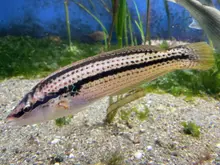
Sharp teeth
Small but pointed teeth sit at the front of the mouth. It often swallows the bait and the hook with it; rather than dragging the hook back out, cut the leader and release the fish if the pliers cannot reach.
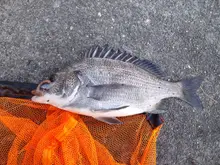
Sharp spines
The dorsal spines are stiff and can puncture a hand if the fish thrashes. Pin it with a towel or a fish grip.
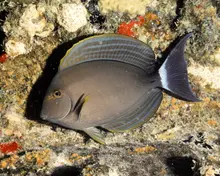
Sharp spines
Fin spines and gill-cover edges are sharp. Use a fish grip; species without primary venom evidence are not labelled venomous.
Sharp teeth
A single row of fine teeth and an abrasive mouth. It is not a danger to your hands, but a swallowed hook means a chafed and broken leader. Unhook it with pliers rather than putting a finger inside.
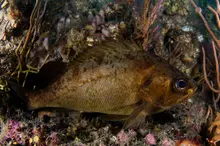
Sharp spines
The dorsal spines and gill covers are sharp. Use a grip rather than a bare hand in the dark.
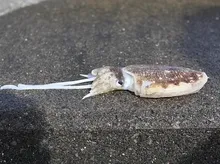
Bite
It bites with a hard beak, and it produces a great deal of ink. Point it out to sea when you lift it and let it discharge before bringing it onto the pier, and never leave the ink behind when you go.
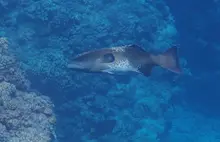
Sharp spines
Fin spines and gill-cover edges are sharp. Use a fish grip; species without primary venom evidence are not labelled venomous.
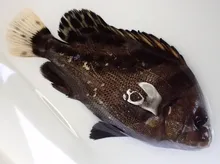
Sharp spines
Fin spines and gill-cover edges are sharp. Use a fish grip; species without primary venom evidence are not labelled venomous.
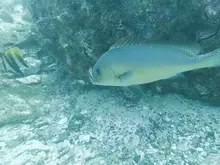
Sharp spines
The dorsal spines are hard and sharp, and a big fish thrashing in the dark will drive one into your hand. Pin it with a towel or a fish grip before you touch the hook.
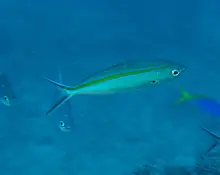
Sharp spines
Fin spines and gill-cover edges are sharp. Use a fish grip; species without primary venom evidence are not labelled venomous.
Sharp spines
Fin spines and gill-cover edges are sharp. Use a fish grip; species without primary venom evidence are not labelled venomous.
Sharp spines
Fin spines and gill-cover edges are sharp. Use a fish grip; species without primary venom evidence are not labelled venomous.
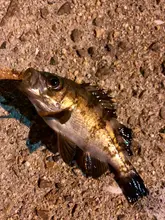
Sharp spines
The dorsal spines and gill-cover edges are sharp; handle with a grip.
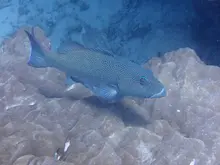
Sharp spines
Fin spines and gill-cover edges are sharp. Use a fish grip; species without primary venom evidence are not labelled venomous.
Sharp spines
Fin spines and gill-cover edges are sharp. Use a fish grip; species without primary venom evidence are not labelled venomous.
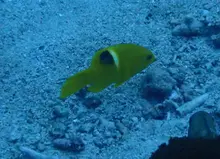
Sharp spines
Fin spines and gill-cover edges are sharp. Use a fish grip; species without primary venom evidence are not labelled venomous.
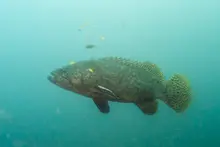
Sharp spines
Fin spines and gill-cover edges are sharp. Use a fish grip; species without primary venom evidence are not labelled venomous.
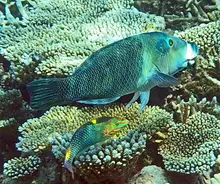
Sharp spines
Fin spines and gill-cover edges are sharp. Use a fish grip; species without primary venom evidence are not labelled venomous.
Sharp spines
Fin spines and gill-cover edges are sharp. Use a fish grip; species without primary venom evidence are not labelled venomous.
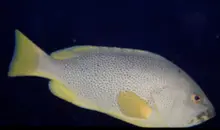
Sharp spines
Fin spines and gill-cover edges are sharp. Use a fish grip; species without primary venom evidence are not labelled venomous.
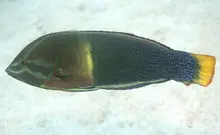
Sharp spines
Fin spines and gill-cover edges are sharp. Use a fish grip; species without primary venom evidence are not labelled venomous.
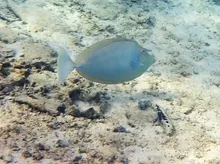
Sharp spines
Fin spines and gill-cover edges are sharp. Use a fish grip; species without primary venom evidence are not labelled venomous.
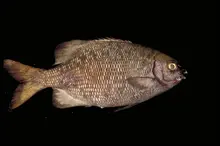
Sharp spines
Fin spines and gill-cover edges are sharp. Use a fish grip; species without primary venom evidence are not labelled venomous.
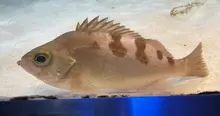
Sharp spines
The dorsal spines and gill-cover edges are sharp; use a grip.
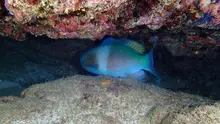
Sharp spines
Fin spines and gill-cover edges are sharp. Use a fish grip; species without primary venom evidence are not labelled venomous.
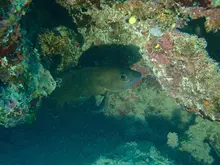
Sharp spines
Fin spines and gill-cover edges are sharp. Use a fish grip; species without primary venom evidence are not labelled venomous.
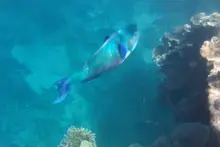
Sharp spines
Fin spines and gill-cover edges are sharp. Use a fish grip; species without primary venom evidence are not labelled venomous.
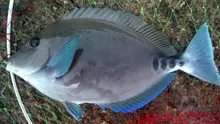
Sharp spines
Fin spines and gill-cover edges are sharp. Use a fish grip; species without primary venom evidence are not labelled venomous.
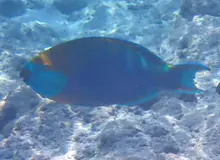
Sharp spines
Fin spines and gill-cover edges are sharp. Use a fish grip; species without primary venom evidence are not labelled venomous.
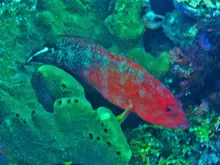
Sharp spines
The dorsal spines and gill-cover edges are sharp; secure the jaw with a grip.
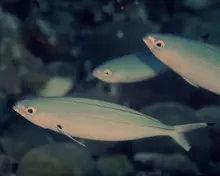
Sharp spines
Fin spines and gill-cover edges are sharp. Use a fish grip; species without primary venom evidence are not labelled venomous.
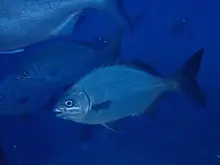
Sharp spines
Fin spines and gill-cover edges are sharp. Use a fish grip; species without primary venom evidence are not labelled venomous.
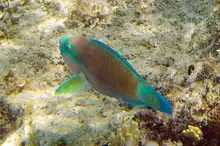
Sharp spines
Fin spines and gill-cover edges are sharp. Use a fish grip; species without primary venom evidence are not labelled venomous.
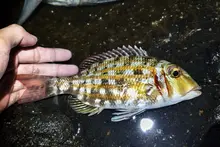
Sharp spines
Fin spines and gill-cover edges are sharp. Use a fish grip; species without primary venom evidence are not labelled venomous.
Sharp spines
Fin spines and gill-cover edges are sharp. Use a fish grip; species without primary venom evidence are not labelled venomous.
Sharp spines
Fin spines and gill-cover edges are sharp. Use a fish grip; species without primary venom evidence are not labelled venomous.
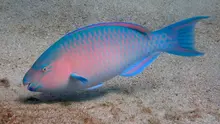
Sharp spines
Fin spines and gill-cover edges are sharp. Use a fish grip; species without primary venom evidence are not labelled venomous.
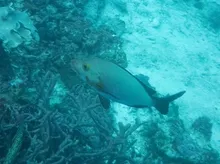
Sharp spines
Fin spines and gill-cover edges are sharp. Use a fish grip; species without primary venom evidence are not labelled venomous.
Sharp spines
Fin spines and gill-cover edges are sharp. Use a fish grip; species without primary venom evidence are not labelled venomous.
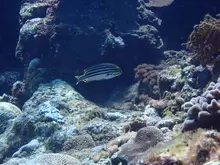
Sharp spines
Fin spines and gill-cover edges are sharp. Use a fish grip; species without primary venom evidence are not labelled venomous.
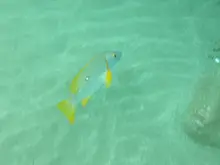
Sharp spines
Fin spines and gill-cover edges are sharp. Use a fish grip; species without primary venom evidence are not labelled venomous.
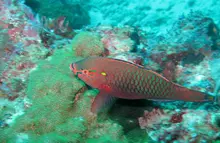
Sharp spines
Fin spines and gill-cover edges are sharp. Use a fish grip; species without primary venom evidence are not labelled venomous.
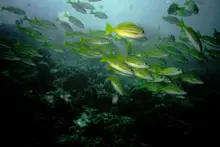
Sharp spines
Fin spines and gill-cover edges are sharp. Use a fish grip; species without primary venom evidence are not labelled venomous.
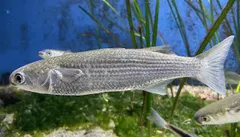
Sharp gill plate
The inside of the gills is sharp and will cut a finger. Work from outside the mouth when removing a hook.
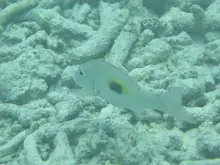
Sharp spines
Fin spines and gill-cover edges are sharp. Use a fish grip; species without primary venom evidence are not labelled venomous.
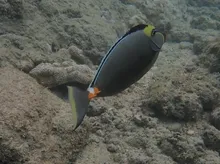
Sharp spines
Fin spines and gill-cover edges are sharp. Use a fish grip; species without primary venom evidence are not labelled venomous.
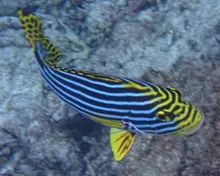
Sharp spines
Fin spines and gill-cover edges are sharp. Use a fish grip; species without primary venom evidence are not labelled venomous.
Sharp spines
Fin spines and gill-cover edges are sharp. Use a fish grip; species without primary venom evidence are not labelled venomous.
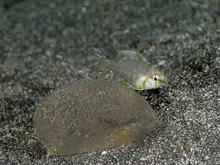
Sharp spines
Fin spines and gill-cover edges are sharp. Use a fish grip; species without primary venom evidence are not labelled venomous.
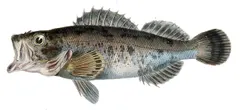
Sharp spines
The dorsal spines and gill covers are hard and sharp. There is no strong venom, but a puncture from gripping the fish can become infected. Handle it with a fish grip.
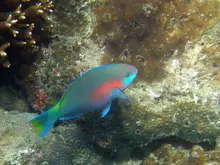
Sharp spines
Fin spines and gill-cover edges are sharp. Use a fish grip; species without primary venom evidence are not labelled venomous.